Launched over 40 years ago, the BGTW International Tourism Awards scheme recognises excellence in tourism projects in three categories:
Best UK Tourism Project
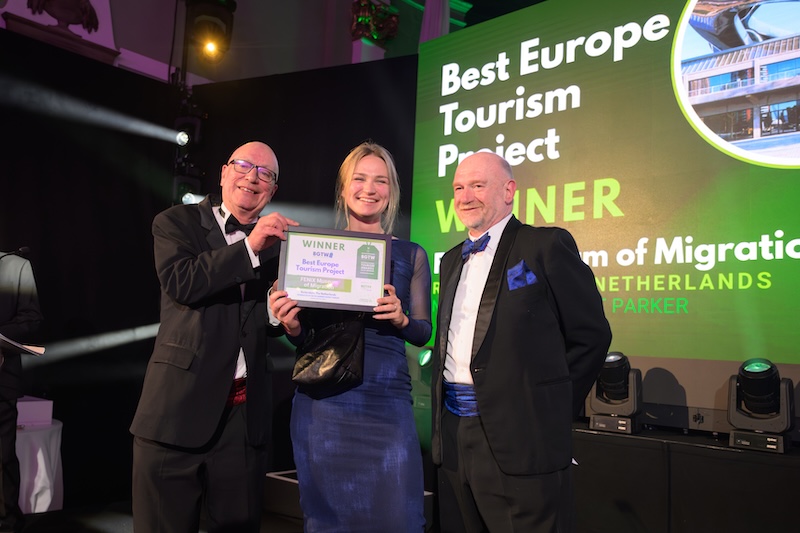
Best Europe Tourism Project
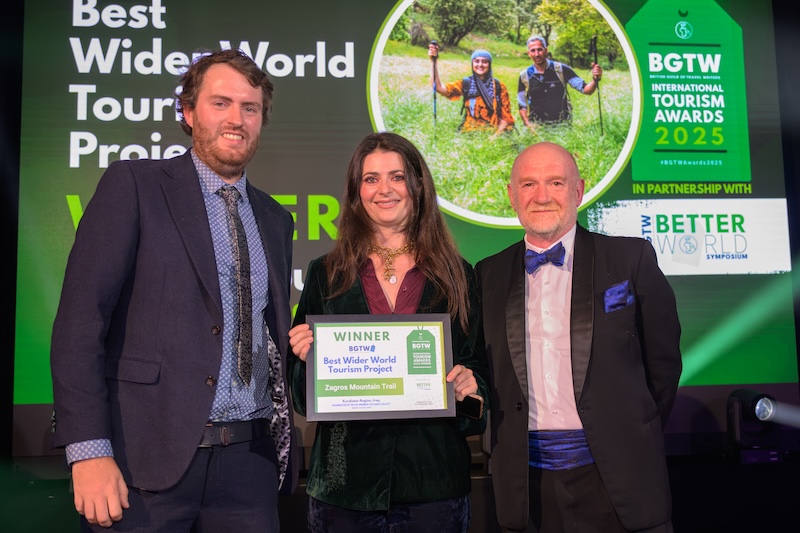
Best Wider World Tourism Project
Guild members really do travel the world, reporting back on projects and initiatives they think deserve notice. Some projects have cost millions and are well-publicised; others are simpler community projects that take just as much effort and love.
For the ITA, projects are proposed by members. Once verified, nominated projects are put out to BGTW members for voting. Winners were announced at the BGTW Annual Gala Awards Dinner on 3 November 2025.
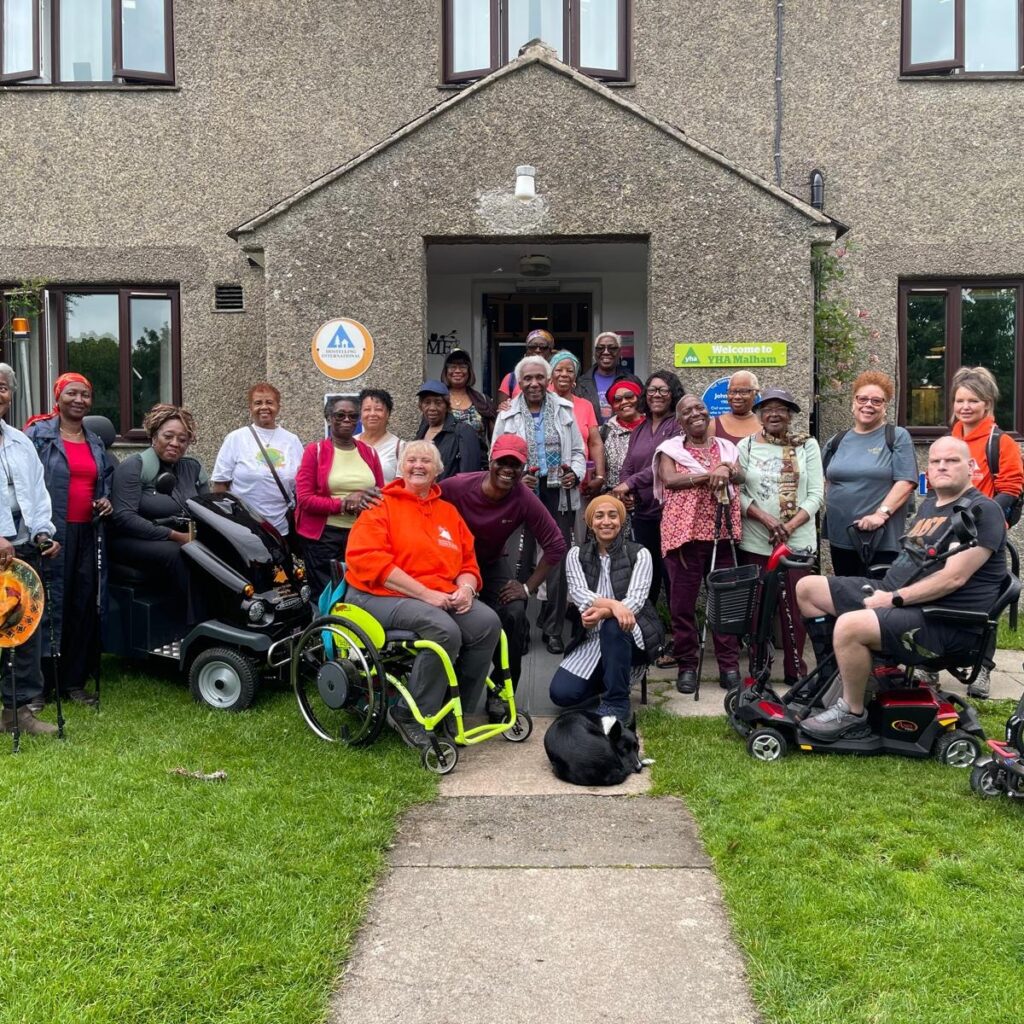
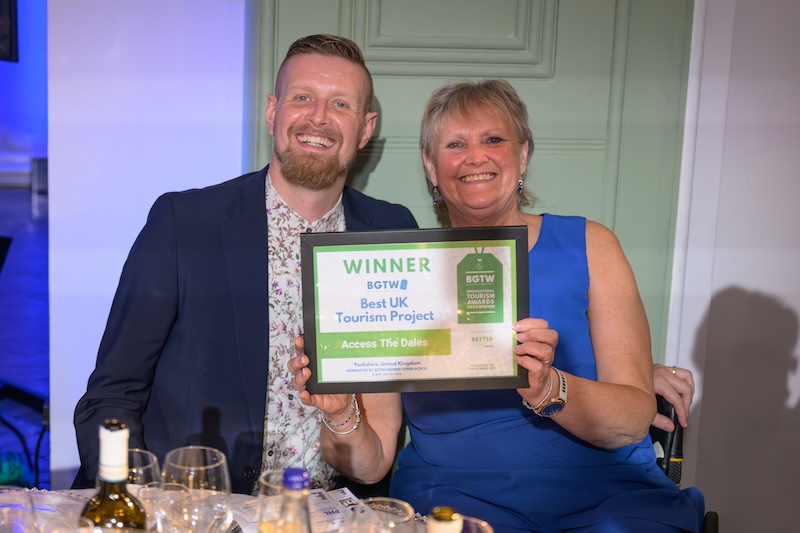
Access the Dales (ATD) is a pioneering tourism initiative operating across North Yorkshire and Lancashire, deserving recognition for its exceptional social impact, sustainability, and commitment to diversity and inclusion.
Read more…
Founded by Debbie North, the Disabled Access Ambassador for the Countryside, the charity has national influence in transforming how disabled people experience rural landscapes. Through the provision of free-to-use all-terrain mobility vehicles, stile-free walking routes, and inclusive events, ATD removes barriers that have historically excluded disabled individuals—particularly those from hard-to-reach or marginalised communities—from accessing the countryside.
With funding from programmes such as Awards for All, the initiative supports grassroots community projects that enable outdoor access, improve wellbeing, and build confidence among participants. It also stimulates local job creation through partnerships with accommodation providers, hub hosts, and local guides. Guided by a strong environmental ethos, ATD promotes responsible, low-impact tourism that protects the natural environment while remaining accessible to all. Its sustainable model, based on collaboration and community involvement, ensures long-term impact.
By challenging outdated perceptions and fostering a culture of equity in rural tourism, ATD is setting a powerful example of inclusive, ethical, and community-driven travel—making it a standout candidate for the award for Best UK Tourism Project.
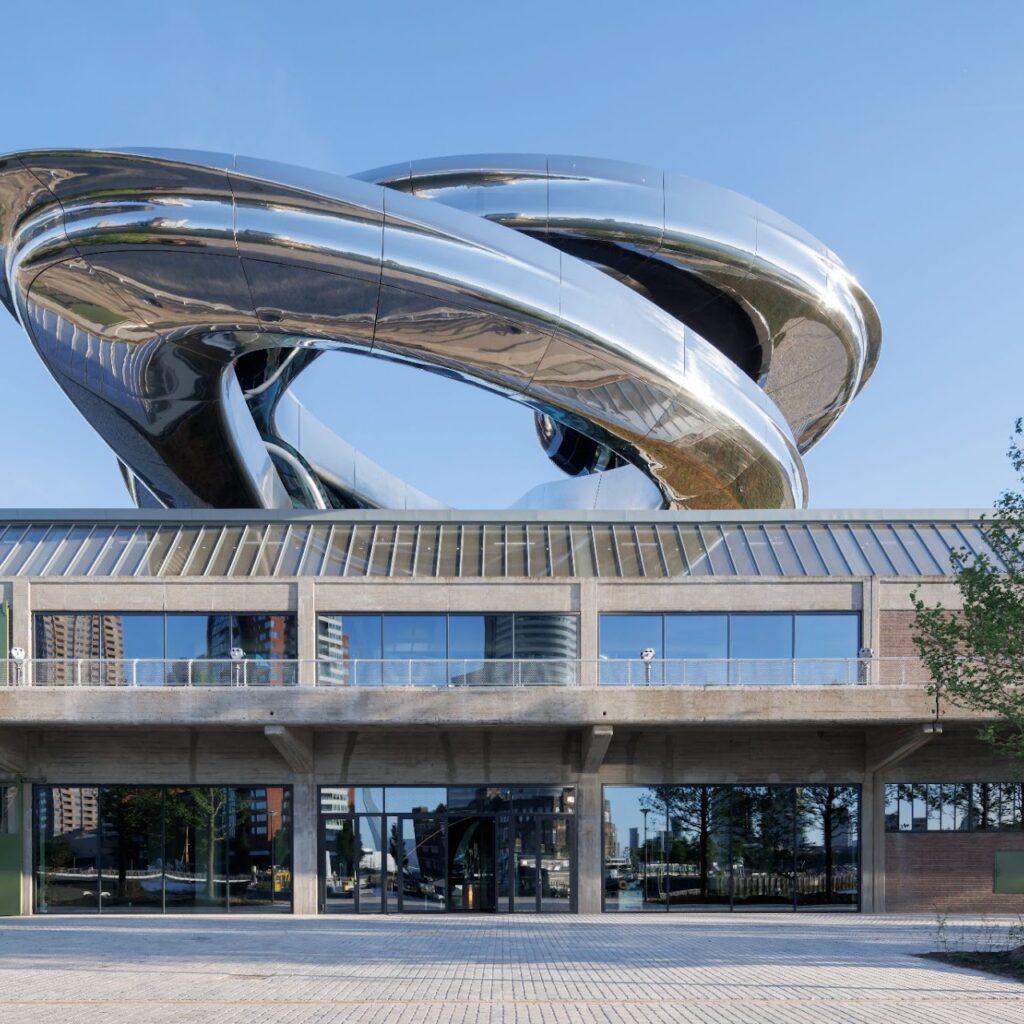
The Fenix Museum of Migration, located within a former warehouse in Rotterdam, is a museum dedicated to human migration. It was opened on 16 May 2025. Here you’ll find stories about love and farewell, home and feeling at home, navigating identity or seeking happiness. Stories from the past and present, from here and elsewhere.
Read more…
Fenix is housed in a historic harbour warehouse dating back to 1923. Once the world’s largest trans-shipment warehouse, it was designed by architect Cornelis van Goor and built for the Holland-America Line. Back then, it was known as the San Francisco Warehouse, stretching 360 metres along the quay.
The Holland-American Line facilitated the migration of millions of Europeans to the US in the late 19th and early 20th centuries. Others arrived from countries including China, Cape Verde, and Greece. Famous figures, including Albert Einstein and artist Max Beckman,n departed from Rotterdam.
At Fenix, you’ll experience migration through the eyes of international artists, including Shilpa Gupta, Steve McQueen, Rineke Dijkstra, and Kimsooja, or get swept away by hundreds of documentary photos in The Family of Migrants. In The Suitcase Labyrinth, you’ll hear personal stories from travellers themselves. The restaurant serves dishes that travel with people from all over the world.
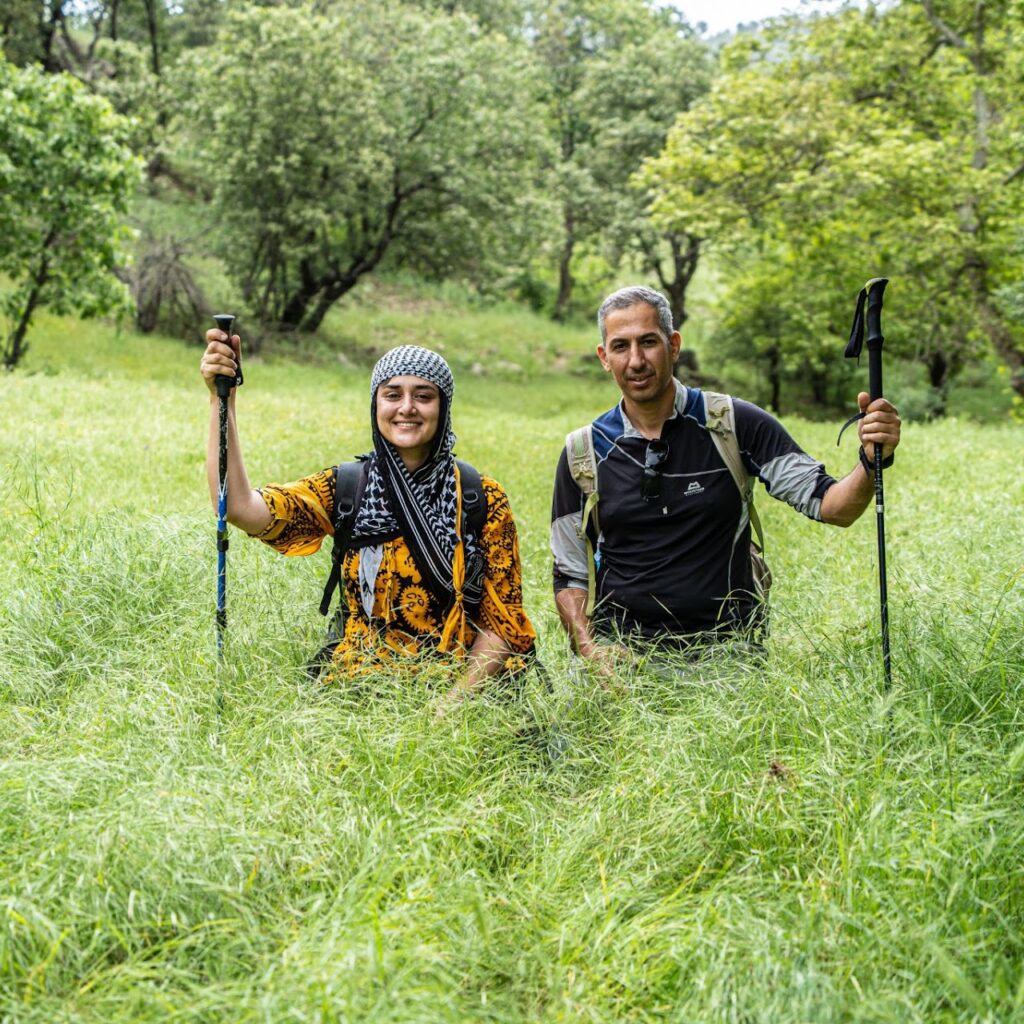
The Zagros Mountain Trail is Kurdistan’s (and Iraq’s) first long-distance, multi-day hiking trail. Stretching for 215 kilometres across the Zagros Mountains in the Kurdistan Region of Iraq, the trail provides a unique opportunity for hikers to discover one of the Middle East’s least visited and most misunderstood regions.
Read more…
The path connects ancient pilgrimage paths, Sumerian roads, nomadic mountain routes and the same trails used by Kurdish refugees to escape Saddam Hussein’s forces during attempted genocides.
The trail provides new opportunities for the 30 local communities along its route to benefit from tourism. The project helps train local guides and connect hikers with homestays, while showcasing and protecting the natural beauty of the Kurdish mountains and the history of the Kurdish people. Rather than viewing Iraq and Kurdistan through the lens of conflict, the Zagros Mountain Trail is forging a sustainable future for adventure tourism in the region.
The project was largely funded by Abraham Path, a non-profit aiming to create a wider network of hiking trails across the Middle East.
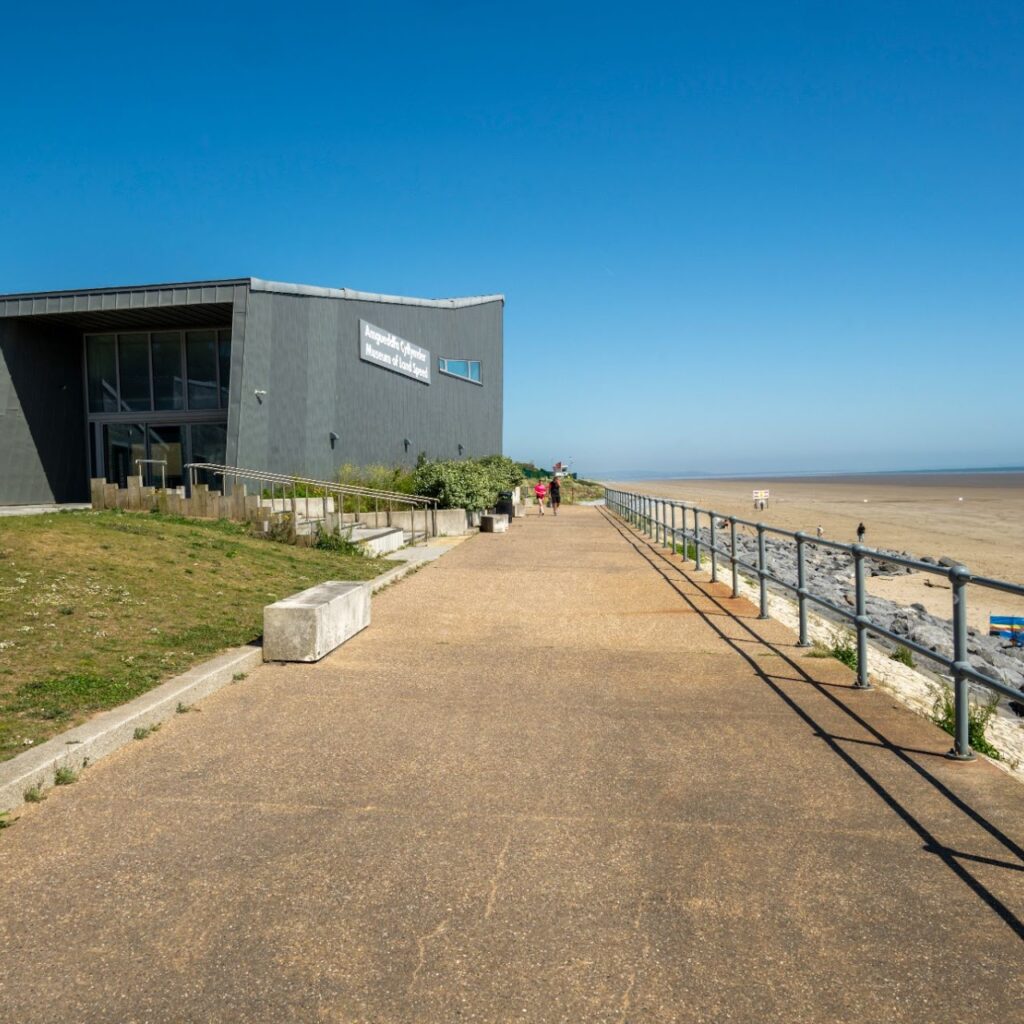
The Museum of Land Speed in Pendine, Carmarthenshire, is far more than a celebration of vintage racing. It’s a bold, forward-thinking visitor attraction with international appeal.
Read more…
Showcasing legendary land-speed record breakers that once thundered across Pendine Sands, the museum combines rich heritage with modern, interactive exhibits that resonate with global motorsport fans and families alike.
This is no temporary or nostalgia-driven project. Designed to last, it is a tribute to the past and forms a key part of Carmarthenshire’s long-term tourism strategy. It delivers year-round value by boosting footfall to the region, supporting local hospitality businesses, and creating full-time jobs for local people.
Its environmental credentials are equally impressive. Built with sustainability in mind, the structure incorporates renewable energy features and promotes local biodiversity with dune-friendly landscaping. Importantly, it’s fully accessible, with inclusive design ensuring visitors of all abilities can engage with the exhibits.
The museum’s renovation was made possible through a blend of public funding and private donations. Support came from the National Lottery Heritage Fund, local council grants, and enthusiastic community sponsors.
By preserving Pendine’s heritage, creating jobs, and championing sustainability and local engagement, the Museum of Land Speed delivers a powerful visitor experience and drives meaningful impact in South Wales.
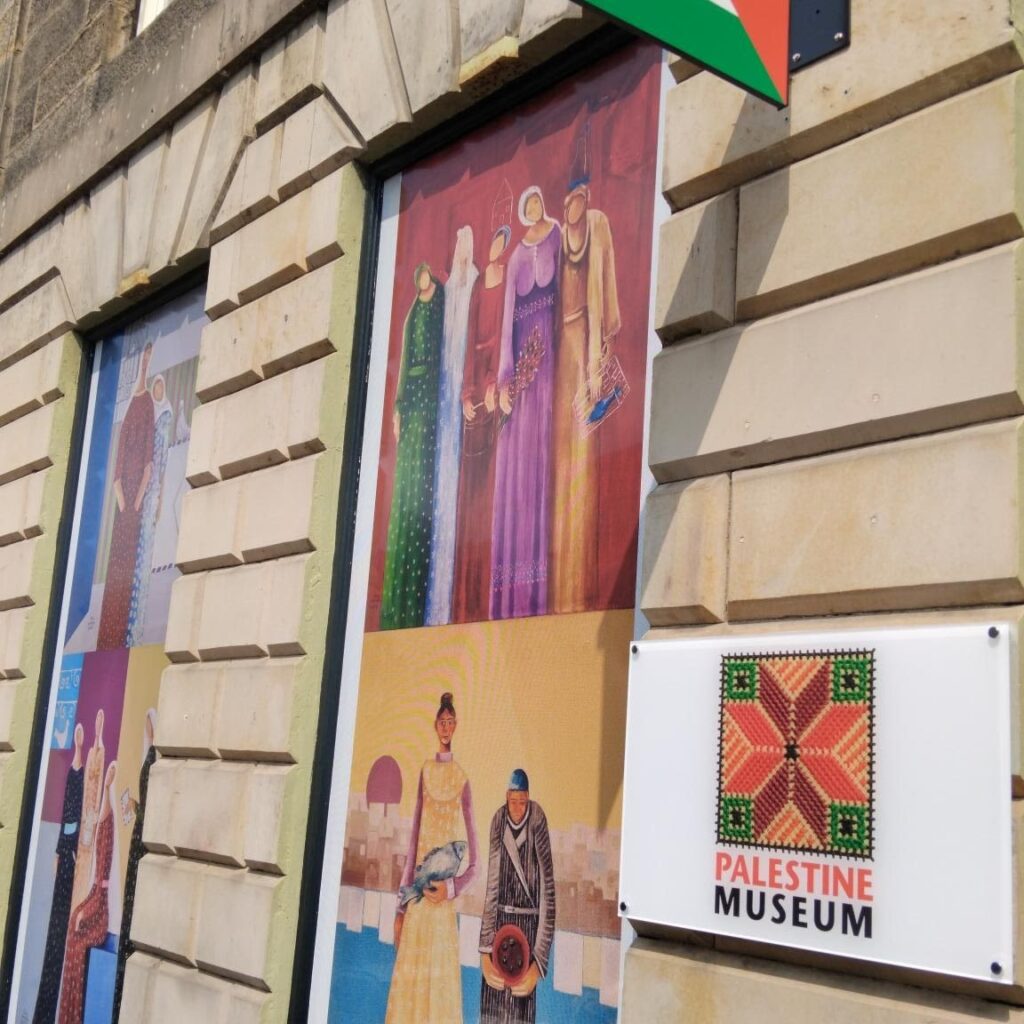
In our uncertain times, this wonderful wee museum located in the heart of Edinburgh is dedicated to amplifying Palestinian voices through contemporary artistic expression, providing a permanent space to showcase the works of both emerging and established Palestinian artists.
Read more…
It’s the only one in Europe, a satellite of the USA museum, and was launched to co-incide with the 77th anniversary of the Nakba, a pivotal moment in Palestinian history when nearly a million Palestinians were forced out of their homes to pave the way for the establishment of the state of Israel.
It’s on one of the most famous streets in Edinburgh for art and galleries.
This simple museum has everything from powerful art to Palestine jenga, with wooden and bronze cast pieces reflecting famous proverbs – a fascinating place.
The new Norwegian private art museum Posten Moderne, also known as PoMo, achieves three objectives. Housed in Trondheim’s old Art Nouveau post office, it preserves an historic building, one close to the hearts of the town’s residents.
Read more…
It includes a permanent, private collection of 55 works by Edvard Munch. It addresses gender inequality in Norwegian art as 60% of its growing permanent collection will be works of art created by women. The aim is to apply this objective in relation to its programme of twice-yearly temporary exhibitions.
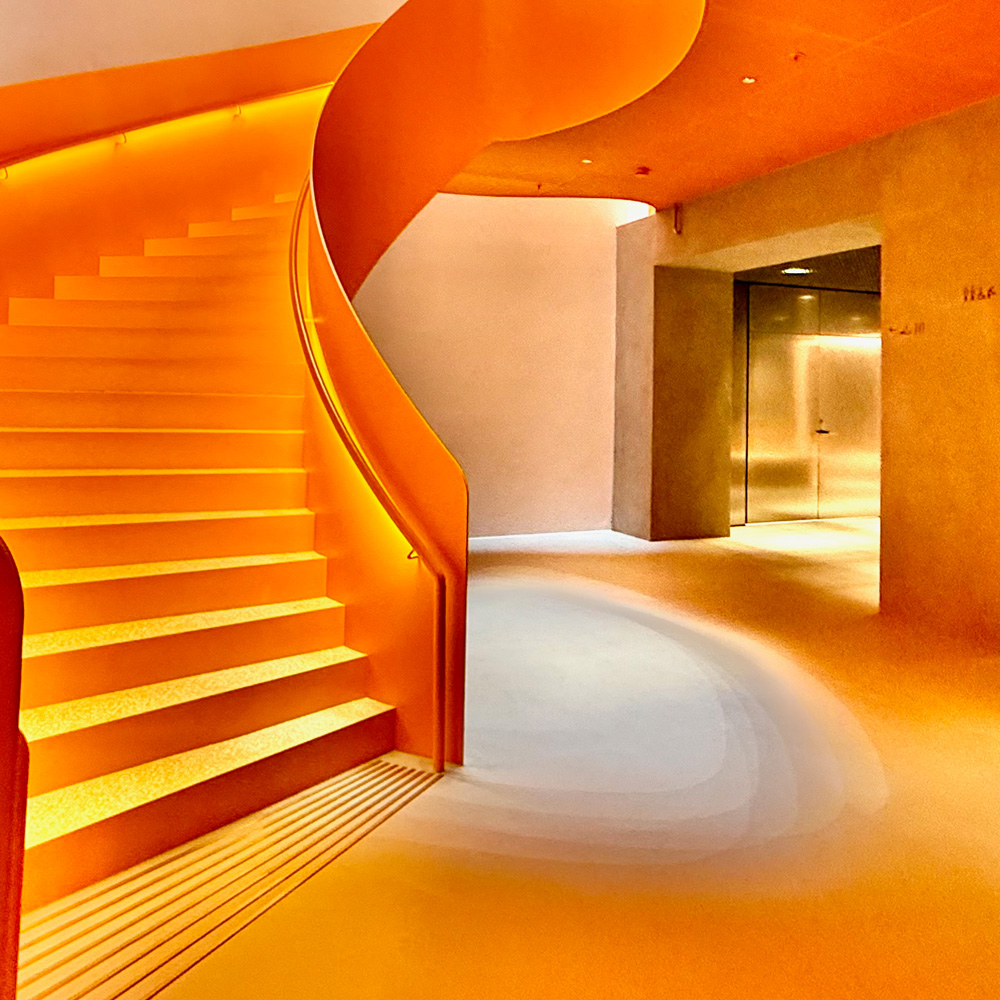
Outside and inside PoMo is an interesting mix of traditional Norwegian architecture and modern designs. The latter can be seen in connecting spaces, including the pink shop and the orange staircase. Colourful, accessible galleries on five floors, some featuring one installation, aim to break down barriers between art lovers and strangers to art by creating spaces where the latter will feel comfortable and ready to explore.
It is expected that this new art museum will enhance Trondheim’s growing reputation as a globally important centre for art and attract more visitors to the city and more work for its inhabitants.
The Schwebebahn, the world’s oldest hanging railway, is celebrated in this engrossing museum in Wuppertal in Germany’s industrial heartland. Set near one of the railway’s Art Nouveau stations, the Schwebodrom museum uses three galleries to show the fascinating history of Wuppertal’s hanging railway, which has been running for nearly 125 years.
Read more…
The first gallery shows an impressionistic film revealing how and why the railway was built, and the second tells the many stories surrounding the Schwebebahn over the past 125 years. The final gallery is the most enthralling: a replica carriage invites you to sit with a VR headset and be transported back to 1920s Wuppertal as you virtually ride the railways.
It’s a fine example of a sustainable and environmentally friendly form of public transport being given such a detailed, compelling and educational focus. As it’s all on one level, it’s easily accessible to people with limited mobility, and all of the exhibits are available in English as well as German. While other cities in Germany such as Berlin get much more attention – and tourists – this is a way of bringing people to one of the country’s lesser-known but still delightful cities.
Launched in May 2023, the Armenian National Trail (ANT) is an offshoot of the better-known Transcaucasian Trail but has been designed by not-for-profit HikeArmenia for village-to-village, rather than wild, hiking.
Read more…
Spanning 593 miles and visiting 108 villages, the trail is both employing locals as trailbuilders and encouraging locals to open guesthouses. Accommodation such as the Dilijan Hikers Hostel are benefiting from increased traffic, with profits from the hostel being returned to Armenia’s trail system.
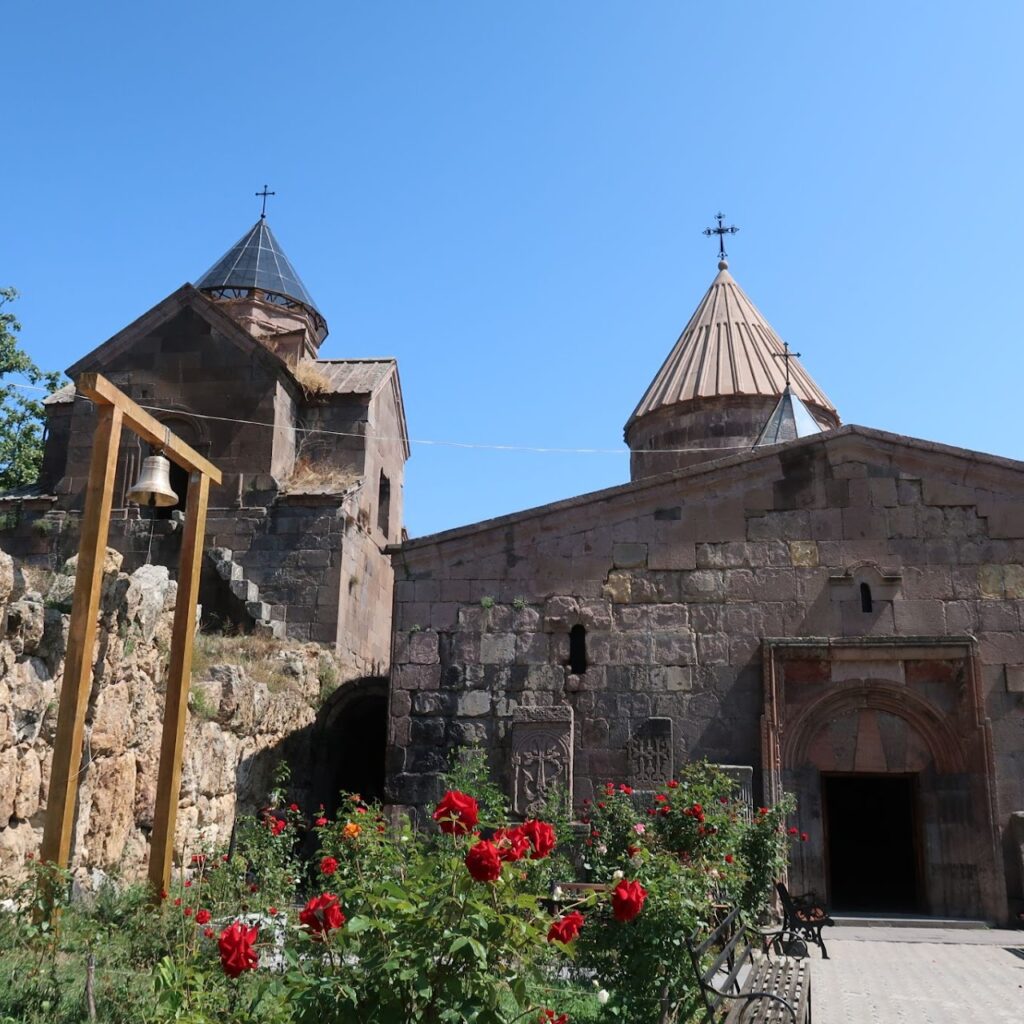
ANT will encourage visitors to parts of Armenia that they may otherwise not have seen, thereby bringing much-needed funds to these places. Constructing the trail has created a workforce with skills such as erosion control and bridge building. Although those taking part in this hike will visit less-touristed parts of the country, ANT still features popular locations such as Gosh village and the ancient Haghpat monastery.
My ANT guide was Shushan Rubenian, who I wrote about for eurowings*. By providing further employment for guides such as Shushan, by bringing tourist money into parts of Armenia that very much need it, and by enriching visitors’ experience by taking them to memorable Armenian villages and vistas, ANT is a clear winner.
After over a decade’s delay, and a generation in the making, Cairo’s Grand Egyptian Museum (GEM) has finally opened to the public. A megaproject rumored to have cost $1bn, it’s not only the world’s largest archeological museum, but also its most expensive museum.
Read more…
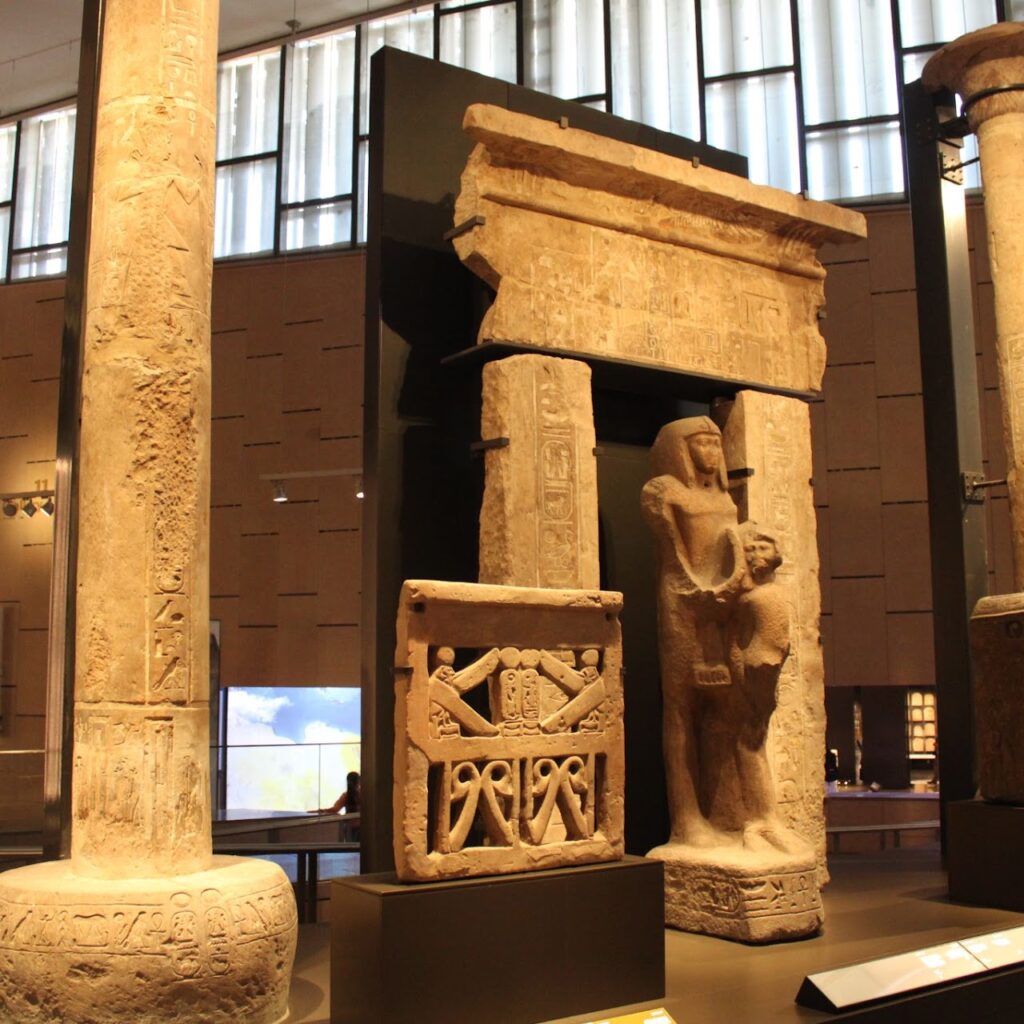
Undoubtedly the Egyptian cultural event of the year, the GEM, containing 100,000 objects in total, brings together the treasures of boy pharoah Tutankhamun for the first time since they were discovered by Howard Carter in 1922, plus the solar barque exhibits once housed in an ugly museum of their own. Many pieces are on public display for the first time.
Situated within sight of the Great Pyramid of Giza on the same plateau, the museum is fully accessible. According to the International Finance Corporation, GEM “sets a new standard for sustainable construction in Africa” with the IFC awarding it the EDGE Advanced Green Building Certification – the first in Africa. The museum has been designed to reduce its energy consumption by 60%, and water use by 34%. The social impact is also considered largely positive, generating new jobs across the massive complex and redirecting international attention to Egypt’s tourism scene, which is vital to the national accounts.
The project has been funded through the Egyptian Ministry of Antiquities and development loans from the Japanese government.
‘Museo Nacional de Arqueologia y Etnologia’ – Guatamala City, Guatamala
‘Museum of BBQ’ – Kansas City, Missouri, US
‘Small Six Safari Experience’ – Saint Lucia
The winners
The three winners were announced at the BGTW Gala Dinner on 3 November in central London, on the eve of World Travel Market. However, with the ITA’s purpose to raise awareness of lesser-known tourism projects across the world, the remaining finalists will receive a ‘Finalist’ certificate, with the other tourism projects that were nominated but didn’t make the shortlist receiving a BGTW Merit Award.
Buy tickets or be a sponsor
Individual tickets, as well as tables of 10, are available for purchase at the BGTW Annual Gala Awards Dinner. There are also opportunities to become an event partner. For more information, please email the BGTW Administrator.
A community of accredited writers, photographers, and broadcasters; the trusted body for independent editorial comment and expert content on worldwide travel.